No products
Product successfully added to your shopping cart
There are 0 items in your cart. There is 1 item in your cart.
Our webstore uses cookies to offer a better user experience and we consider that you are accepting their use if you keep browsing the website.

Exhibition catalogue
- New Art Books
- Exhibition catalogue
- Highlights
- Art Book Sale
- Museum's Shop & Gifts
- Bilingual art books and foreign editions
- Children's Books
- Art History
- Painting
- Architecture
- Sculpture
- Drawing & Engraving
- Photography
- Contemporary art
- Decorative Arts & Design
- Art Techniques
- Critics
- Entertainment art books
- Civilisations
- Partners Reviews
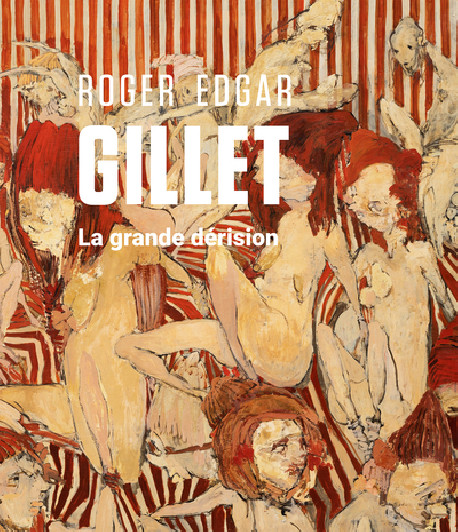
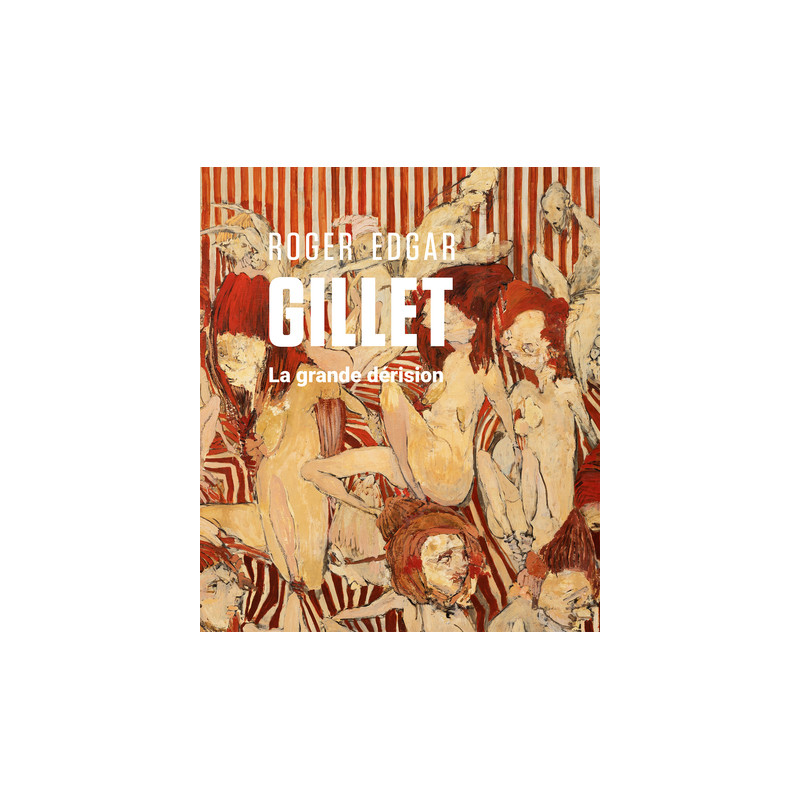
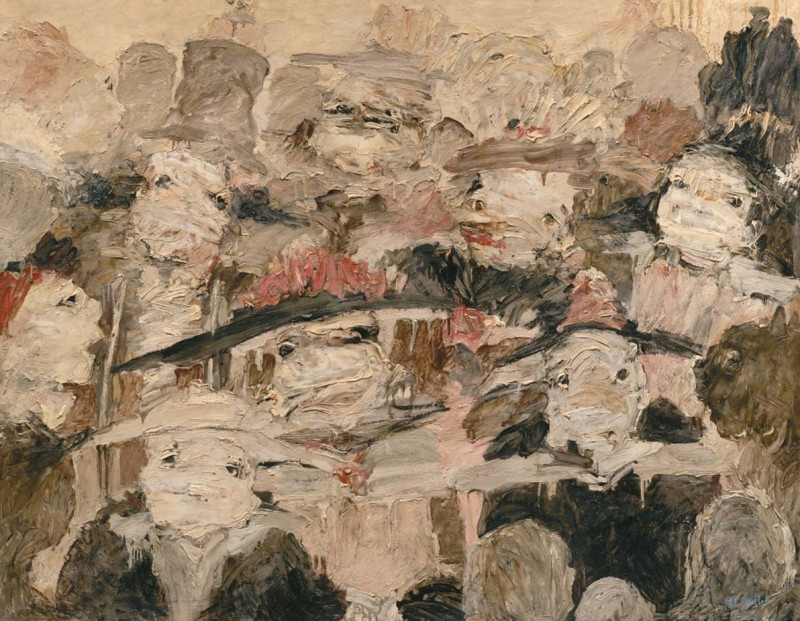
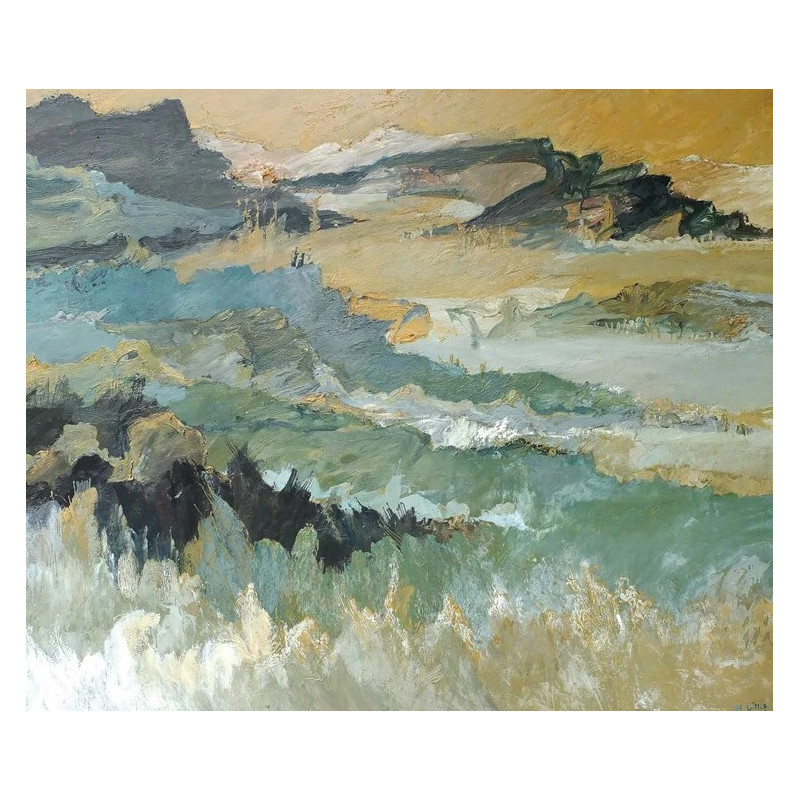
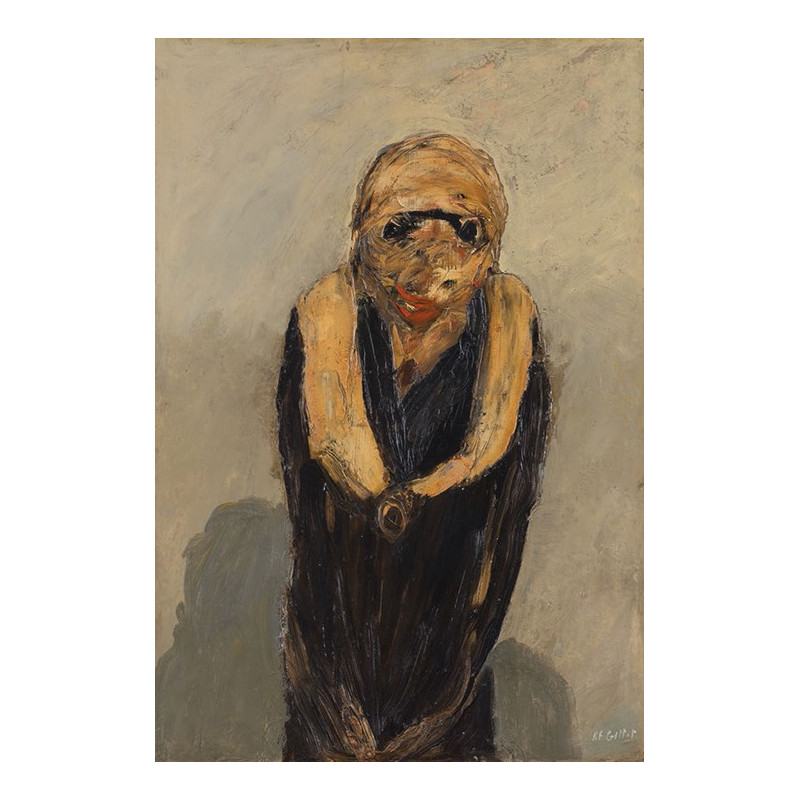
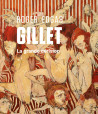
Roger Edgar Gillet - The great derision
Roger Edgar Gillet (Paris, 1924 – Saint-Suliac, 2004) is an emblematic figure of French painting in the second half of the twentieth century, yet one largely unknown to the general public.
1 item in stock
| Model | 9782359064896 |
| Artist | Roger Edgar Gillet |
| Author | Claire Lignereux, Elisa Farran, Mara Hoberman |
| Publisher | Musée Estrine / Liénart |
| Format | Ouvrage relié |
| Number of pages | 192 |
| Language | Bilingue Français / English |
| Dimensions | 280 x 240 |
| Published | 2026 |
| Museum | Musée Estrine, Saint‑Rémy‑de‑Provence / Musée des beaux-arts de Rennes |
Exhibition Catalogue Roger Edgar Gillet. The great derision, presented at the Musée Estrine, Saint‑Rémy‑de‑Provence (14 february - 7 june 2026) and the Musée des beaux-arts de Rennes (27 june - 20 september 2026).
Roger Edgar Gillet (Paris, 1924 – Saint-Suliac, 2004) is an emblematic figure of French painting in the second half of the twentieth century, yet one largely unknown to the general public.
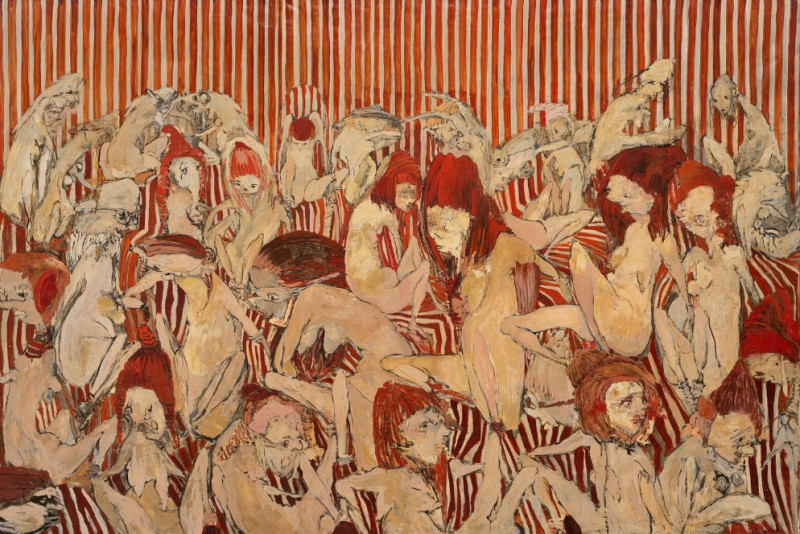
Working in the Paris of the post–Second World War years, Gillet began his practice within the movement of Art Informel abstraction. Whether handling paint with a palette knife in dense, heavy surfaces or unfolding complex compositions, he experimented relentlessly, playing with the expressive effects inherent in the medium of paint.
At the beginning of the 1960s, he fully embraced a return to figuration, driven by the need to affirm the power of the human gaze. His work then explores the traditional genres of painting, yet each subject is subjected to the sieve of a ferocious humour. In this way, the artist succeeds in proposing what a form of twentieth-century history painting might be. The profound derision that characterises his work never prevents Gillet from remaining deeply humanist.
Following a series of storm paintings, in which he finds a ridgeline between abstraction and figuration, he returns in 1996, in a final swing of the pendulum among the ceaseless back-and-forth movements that define his practice, to the primacy of the human figure, with a series of heads whose expressions possess an extreme intensity. Recalcitrant to all classification, Gillet declared: “What matters is to unsettle the gaze.”
Recently viewed items