Aucun produit
Produit ajouté au panier avec succès
Il y a 0 produits dans votre panier. Il y a 1 produit dans votre panier.
Afin d'optimiser votre expérience de navigation, ce site utilise des cookies. En navigant sur ce site, vous en acceptez l'usage.

Editions Bilingues & inter.
- Nouveautés
- Catalogue d'exposition
- Sélection Fêtes
- Prix réduits
- Idées Cadeaux
- Editions Bilingues & inter.
- Livres d'art enfance et jeunesse
- Histoire de l'Art
- Peinture
- Architecture
- Sculpture
- Dessin Gravure
- Photographie
- Art contemporain
- Arts Décoratifs, Design & Mode
- Techniques des Arts
- Critique
- Beaux livres
- Civilisations
- Revues partenaires
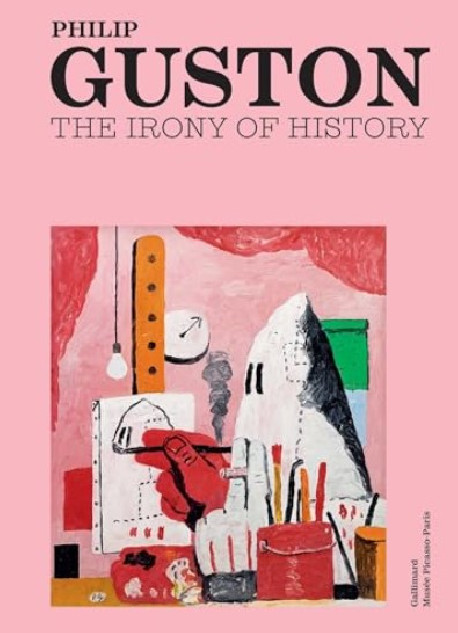
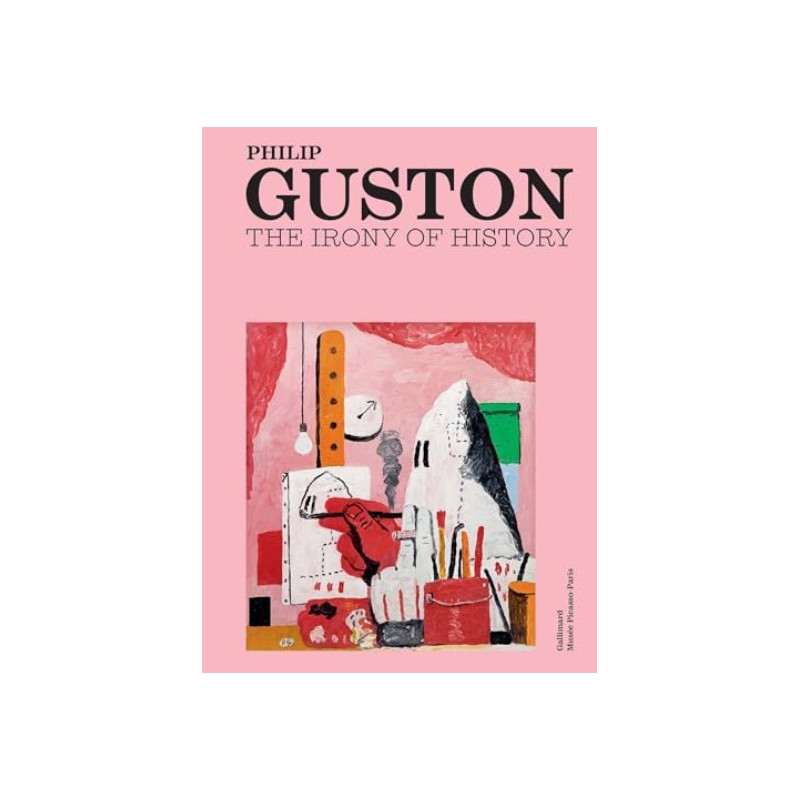
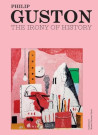
Philip Guston - The irony of history
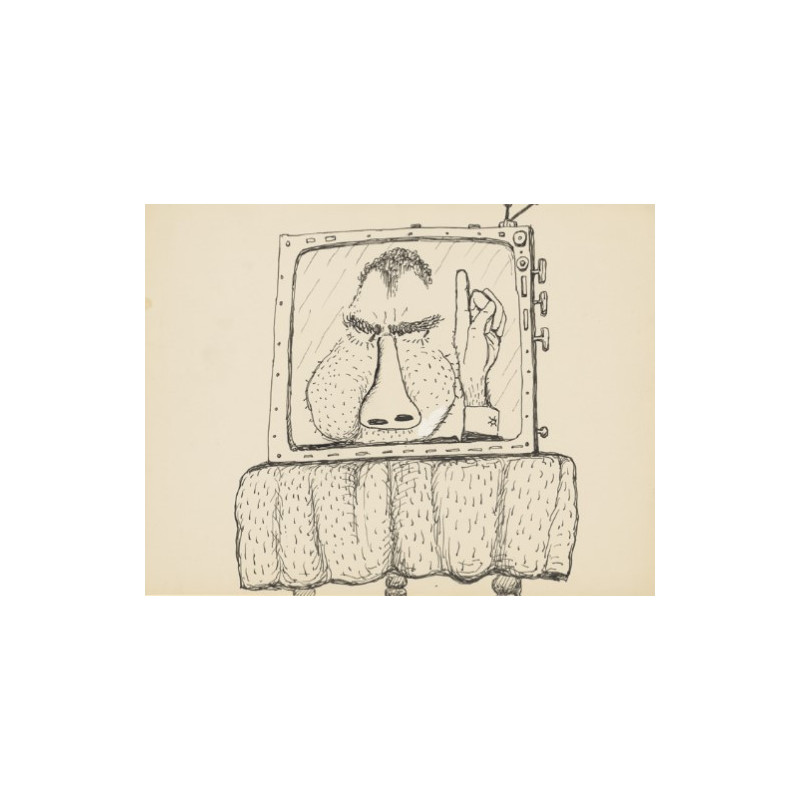
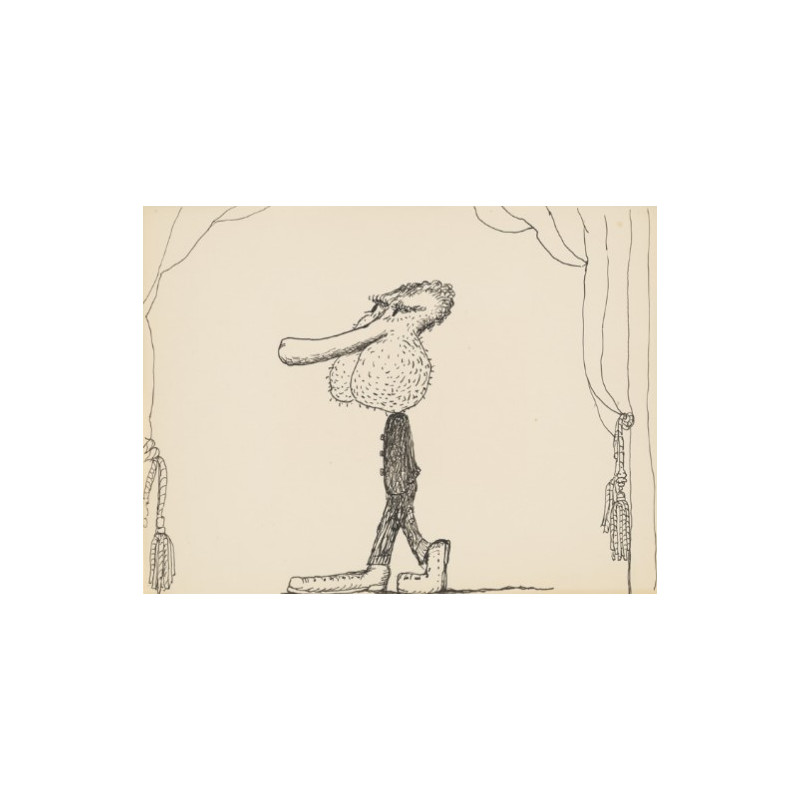
Based on Philip Guston's drawings inspired by Philip Roth's book Our Gang, the catalog highlights the links between Guston's painting and the satirical, caricatural verve of his drawings inspired by President Nixon and his administration.
2 articles en stock : expédié le jour-même (commande avant 14h00)
| Référence | 9782073128102 |
| Artiste-Genre | Philip Guston |
| Editeur(s) | Musée Picasso / Gallimard |
| Format | Hardcover |
| Nb. de pages | 224 |
| Langue | English |
| Dimensions | 240 x 170 |
| Date parution | 2025 |
| Musée | Musée Picasso, Paris |
Catalogue of the exhibition Philip Guston: The Irony of History, presented at the Musée Picasso, Paris (14 October 2025 - 1 February 2026).
In the early 1920s, Philip Guston was expelled from Art school in Los Angeles for producing satirical images of the teaching staff. Art would always be a tool for him in his fight against authority figures. His early works, which depicted the abuses committed by members of the KKK, were vandalised by hooded men during their public exhibition.
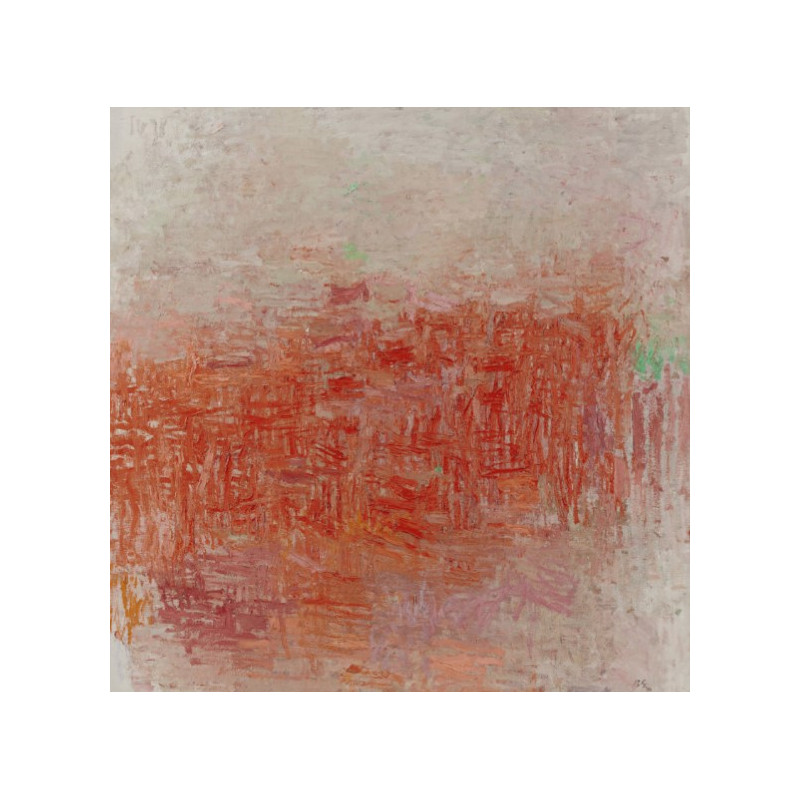
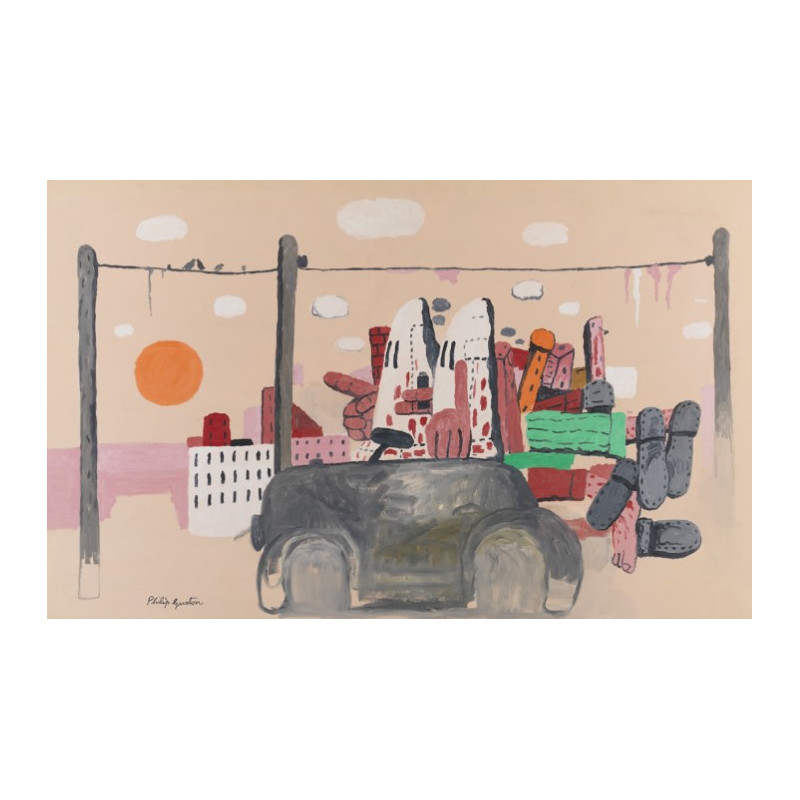
In the late 1960s, after being one of the leading figures of the New York School, the first American abstract avant-garde, he caused a scandal by returning to a figurative style inspired by comic books.
In 1969, Philip Roth, a writer who had broken with the New York literary scene, moved into a house a few doors down from Guston's studio. The writer had just begun work on a satirical novel featuring President Nixon and his entourage (Our Gang). Guston produced more than 80 drawings that echoed Roth's text. Their style and iconography were inspired by Picasso's 1937 ‘plates’ for Songes et mensonges de Franco, the political causticity of George Grosz's drawings for Americana magazine in the 1930s, and the biting humour of George Harriman's plates, which he admired in American daily newspapers.
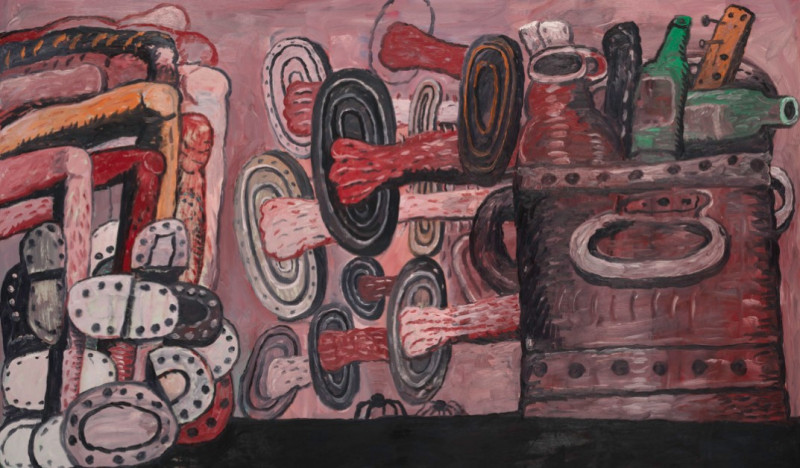
From the Nixon Drawings series to the artist's final paintings, the exhibition highlights the porosity skilfully maintained by Guston between the grotesque and caricatural verve of his drawings and the expressive power of his painting. A transfer of energy takes place, fuelled by a black humour that gives his work a dark depth, making him a kind of Kafka or Gogol of painting.
Produits déjà vus