No products
Product successfully added to your shopping cart
There are 0 items in your cart. There is 1 item in your cart.
Our webstore uses cookies to offer a better user experience and we consider that you are accepting their use if you keep browsing the website.

20th Century Painting
- New Art Books
- Exhibition catalogue
- Highlights
- Art Book Sale
- Museum's Shop & Gifts
- Bilingual art books and foreign editions
- Children's Books
- Art History
- Painting
- Architecture
- Sculpture
- Drawing & Engraving
- Photography
- Contemporary art
- Decorative Arts & Design & Fashion
- Art Techniques
- Critics
- Entertainment art books
- Civilisations
- Partners Reviews
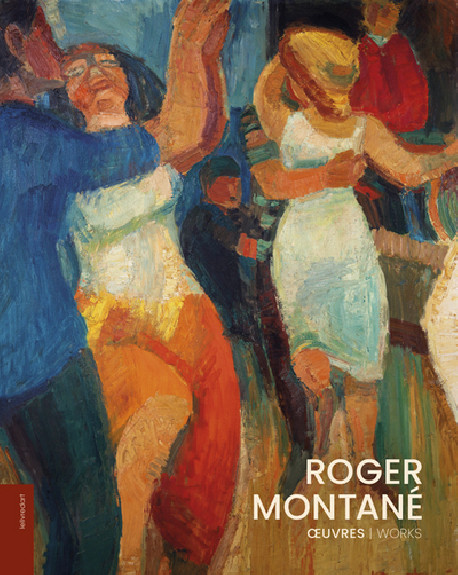
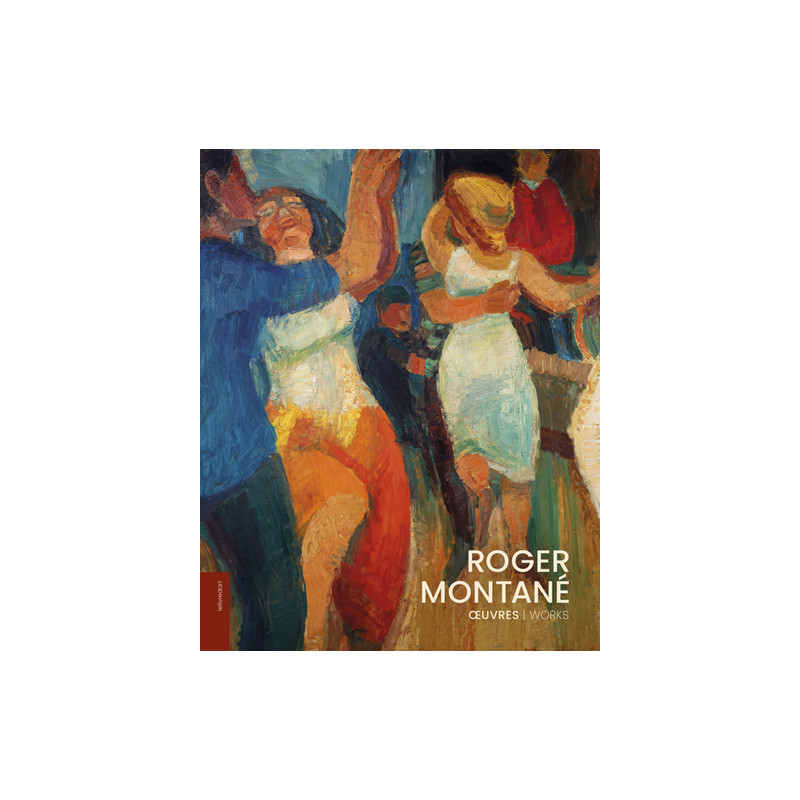
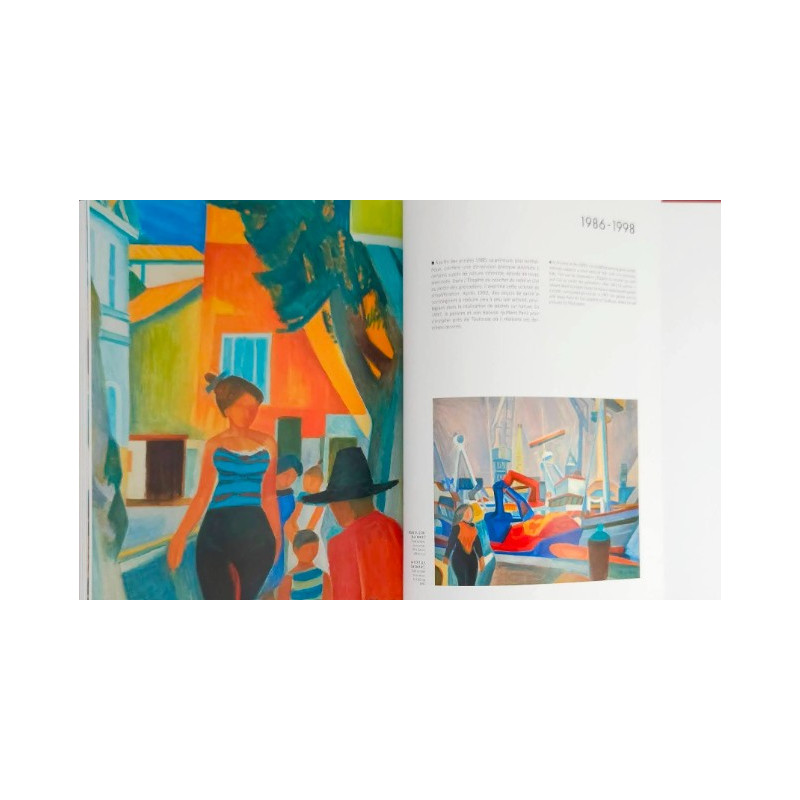
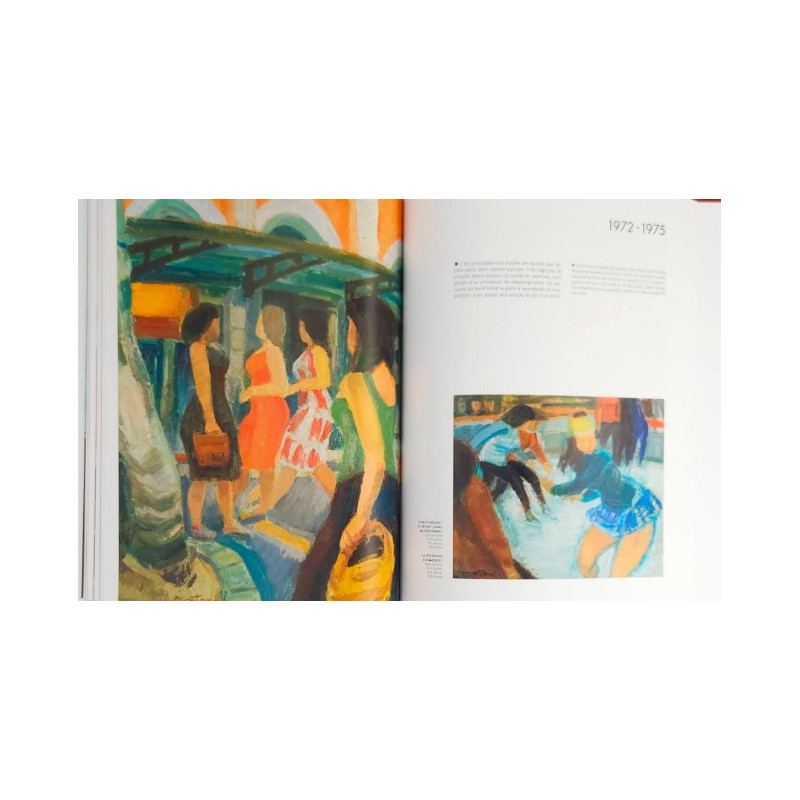
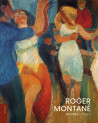
Roger Montané - Works
The first monograph devoted to Roger Montané (1916–2002), a figurative painter who exhibited in Tokyo, New York and London in the 1960s but has been erased from art history. The book together texts by André Barrère, art critic and member of the committee of the Syndicat de la presse artistique française (French Art Press Union), and Corinne Laouès, PhD in contemporary art history.
Shipped within 5 to 10 days
| Model | 9782355324505 |
| Artist | Roger Montané |
| Author | Collectif |
| Publisher | Lelivredart |
| Format | Ouvrage relié |
| Number of pages | 112 |
| Language | Bilingue Français / English |
| Dimensions | 300 x 240 |
| Published | 2026 |
The first monograph devoted to Roger Montané (1916–2002), a figurative painter who exhibited in Tokyo, New York and London in the 1960s but has been erased from art history.
Painting everyday happiness when the entire avant-garde chose angst: such was the challenge taken up by Roger Montané.
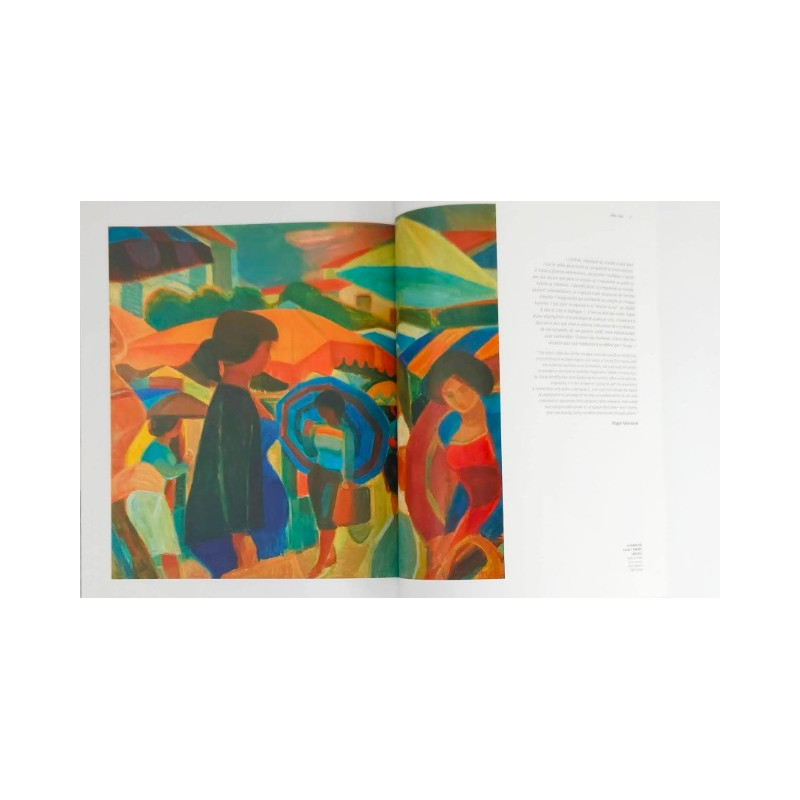
Between 1949 and 2002, the painter Roger Montané, trained in Toulouse, made his mark with his monumental, luminous figures, his ordinary people captured in oil pastels in markets and train stations. From London to Tokyo, Paris to New York, he championed a generous modernity. His conviction? Joy is not naivety, but a pictorial requirement.
This monograph invites us to rediscover a painter who bears witness to another possible modernity. A luminous and generous modernity, where joy is not naivety but a requirement.
Editor's note:
‘There are enough annoying things in life without us creating more.’ When Renoir uttered these words, he had no idea that a painter born in Bordeaux in 1916 would make them his credo. Roger Montané painted happiness. Not the happiness of postcards, but the happiness of everyday life captured in all its carnal and luminous intensity. In the following pages, we wanted to show how this choice, far from being an easy one, was truly unique in its time.
For it must be remembered that in the 1950s to 1970s, figurative painting was considered outdated nostalgia. The avant-garde favoured existential angst and abstraction. Montané, however, persevered. Not out of conservatism, but out of conviction. He tackled the issues of ‘commitment’ and ‘testimony’ with the means of his time, simply refusing to accept that modernity necessarily meant pessimism. And his legitimacy? It spoke for itself: from 1952 onwards, his works entered London collections, then galleries in Chicago and New York. In 1967, he became president of the Salon d'Automne.
His method? Humanism through framing. Montané gave visibility and dignity to ordinary people by painting them as monumental figures, framed closely, occupying the entire space of the painting. This benevolence was not sentimental. It stemmed from a precise pictorial decision, inherited from Picasso and Fernand Léger in the 1920s and 1930s.
However, despite his early success in 1949, Montané continued his explorations, first into the post-Cubism of André Lhote, whom he met in Paris in 1946, then on the essential role of light in composition during his stays in Holland in 1951 and, above all, on his return from Japan in 1958, with the adoption of oil pastels, a rapid process that allowed him to capture the suspended moment. In 1979, he was appointed Painter of the Navy.
The book together texts by André Barrère, art critic and member of the committee of the Syndicat de la presse artistique française (French Art Press Union), and Corinne Laouès, PhD in contemporary art history.
Recently viewed items