Aucun produit
Produit ajouté au panier avec succès
Il y a 0 produits dans votre panier. Il y a 1 produit dans votre panier.
Afin d'optimiser votre expérience de navigation, ce site utilise des cookies. En navigant sur ce site, vous en acceptez l'usage.

Catalogue d'exposition
- Nouveautés
- Catalogue d'exposition
- Sélection Fêtes
- Prix réduits
- Idées Cadeaux
- Editions Bilingues & inter.
- Livres d'art enfance et jeunesse
- Histoire de l'Art
- Peinture
- Architecture
- Sculpture
- Dessin Gravure
- Photographie
- Art contemporain
- Arts Décoratifs, Design & Mode
- Techniques des Arts
- Critique
- Beaux livres
- Civilisations
- Revues partenaires
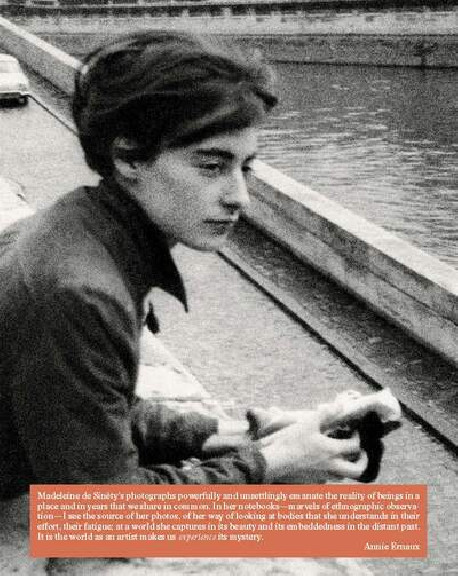
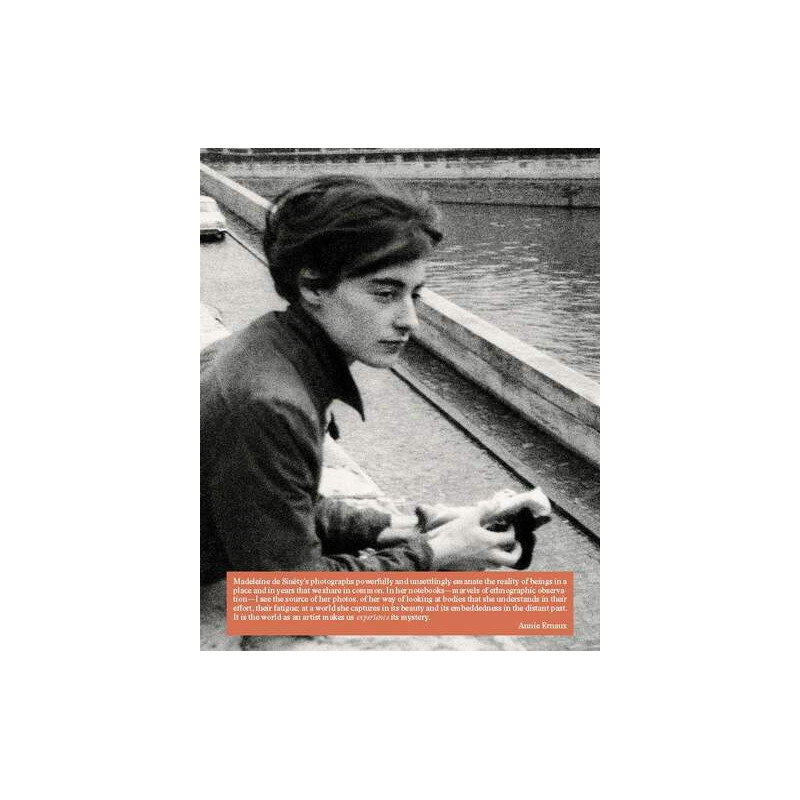
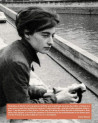
Madeleine de Sinety - A Life
The first monograph devoted to the photographer Madeleine de Sinéty (1934–2011), whose body of work spans four decades, across France and the United States.
Expédié sous 3 à 6 jours
| Référence | 9791095821953 |
| Artiste-Genre | Madeleine de Sinéty |
| Auteur(s) | Madeleine de Sinéty, Nancy Huston |
| Editeur(s) | Musée du Jeu de Paume / Delpire |
| Format | Hardcover |
| Nb. de pages | 248 |
| Langue | English |
| Dimensions | 255 x 200 |
| Date parution | 2026 |
| Musée | Musée du Jeu de Paume, Paris |
Catalogue of the exhibition Madeleine de Sinéty: A Life, held at the Musée du Jeu de Paume, Paris (12 June – 24 September 2026).
The first monograph devoted to the photographer Madeleine de Sinéty (1934–2011), whose body of work spans four decades, across France and the United States.
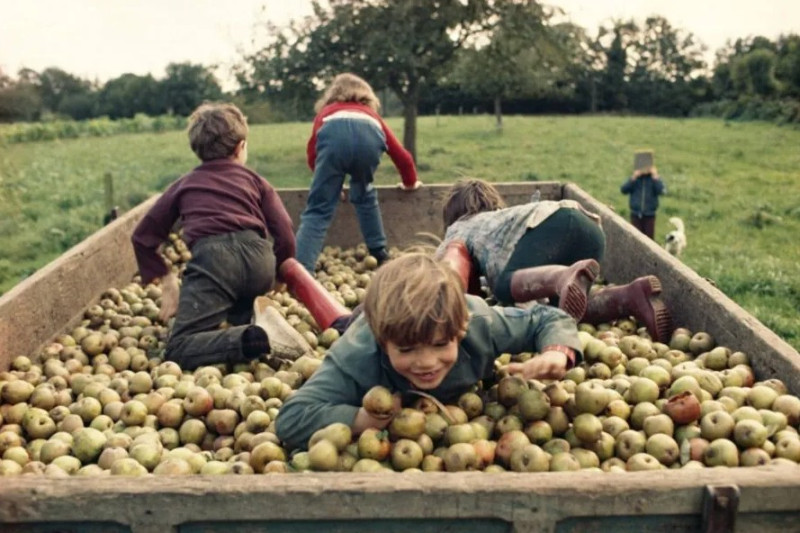
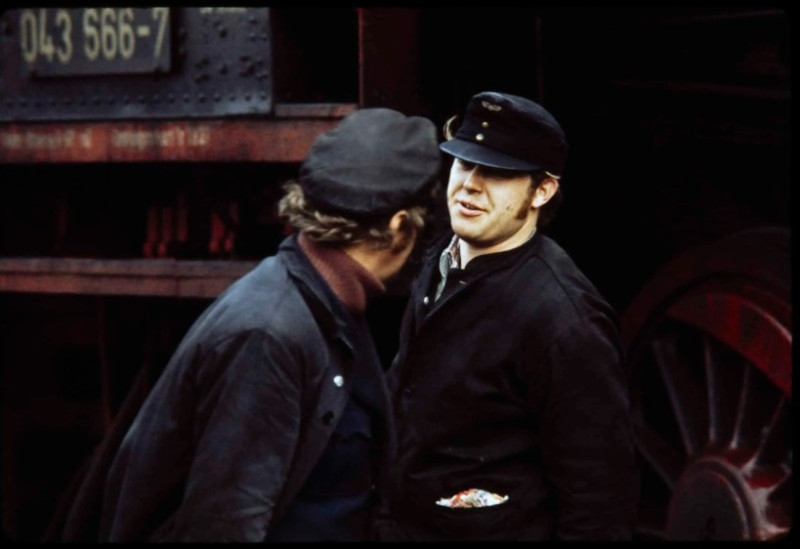
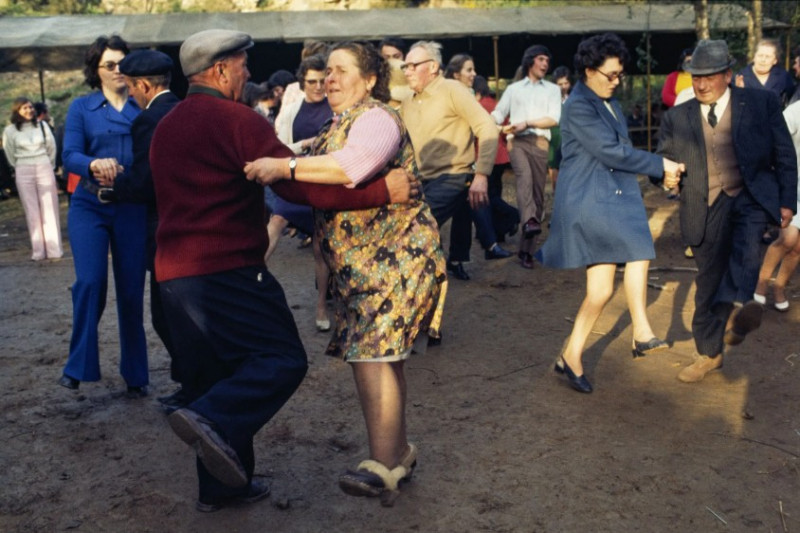
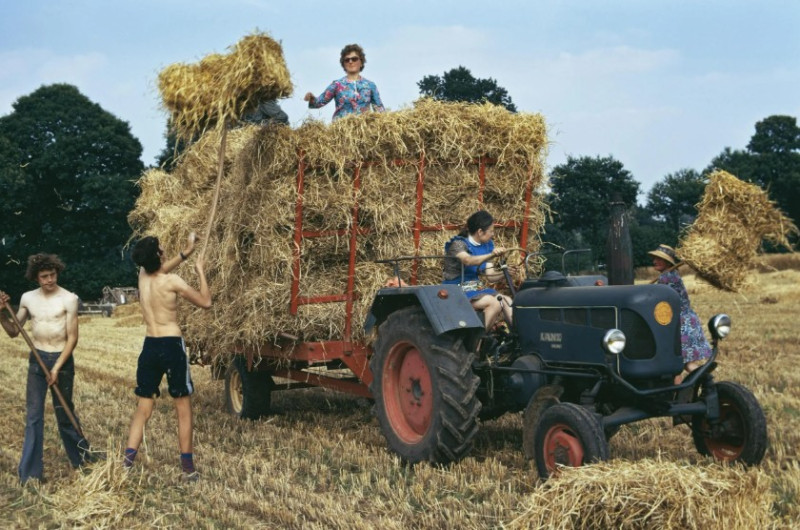
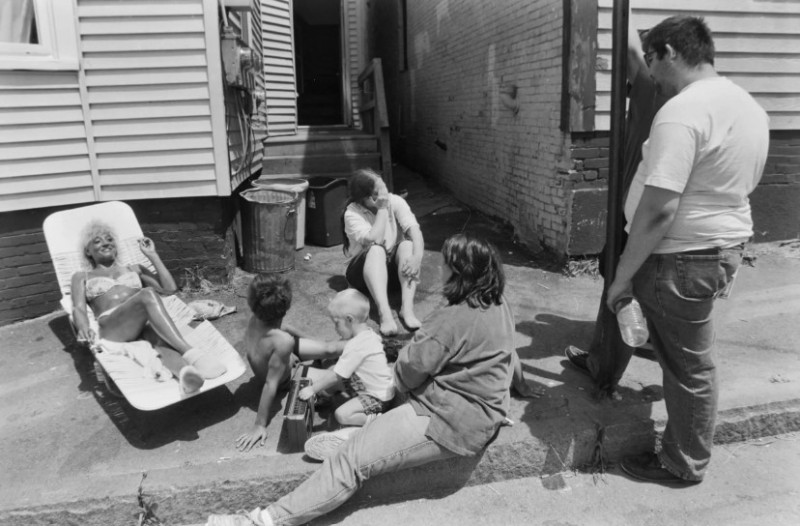
A self-taught photographer, Madeleine de Sinéty produced her best-known series in the village of Poilley, in Brittany, where she settled in the early 1970s. There, she documented the lives of the villagers, in colour and black and white, through an approach that was both artistic and deeply human.
The desire to create seems to have always driven her; she could have written or painted, but it was photography that best combined her various aspirations and ultimately won her over. After studying at the École des Arts Décoratifs in Paris, she began photographing as a self-taught artist, in both colour and black and white.
Driven by a constant desire to document and bear witness, she captures customs, gestures, places and practices – many of which are destined to disappear – striving, day after day and with a touch of nostalgia, to capture their fleeting grace and delicate colours. This thirst for memory and recollection is reflected in the diary she kept at various stages of her life, excerpts from which are featured in the exhibition as a counterpoint to her photographs.
The body of work she leaves behind is the result of a keen observation of reality, whether in Paris, New York or Poilley. With humanity and tenderness, she offers an intimate account of a world in the midst of profound change.
Produits déjà vus