No products
Product successfully added to your shopping cart
There are 0 items in your cart. There is 1 item in your cart.
Our webstore uses cookies to offer a better user experience and we consider that you are accepting their use if you keep browsing the website.

Exhibition catalogue
- New Art Books
- Exhibition catalogue
- Highlights
- Art Book Sale
- Museum's Shop & Gifts
- Bilingual art books and foreign editions
- Children's Books
- Art History
- Painting
- Architecture
- Sculpture
- Drawing & Engraving
- Photography
- Contemporary art
- Decorative Arts & Design
- Art Techniques
- Critics
- Entertainment art books
- Civilisations
- Partners Reviews
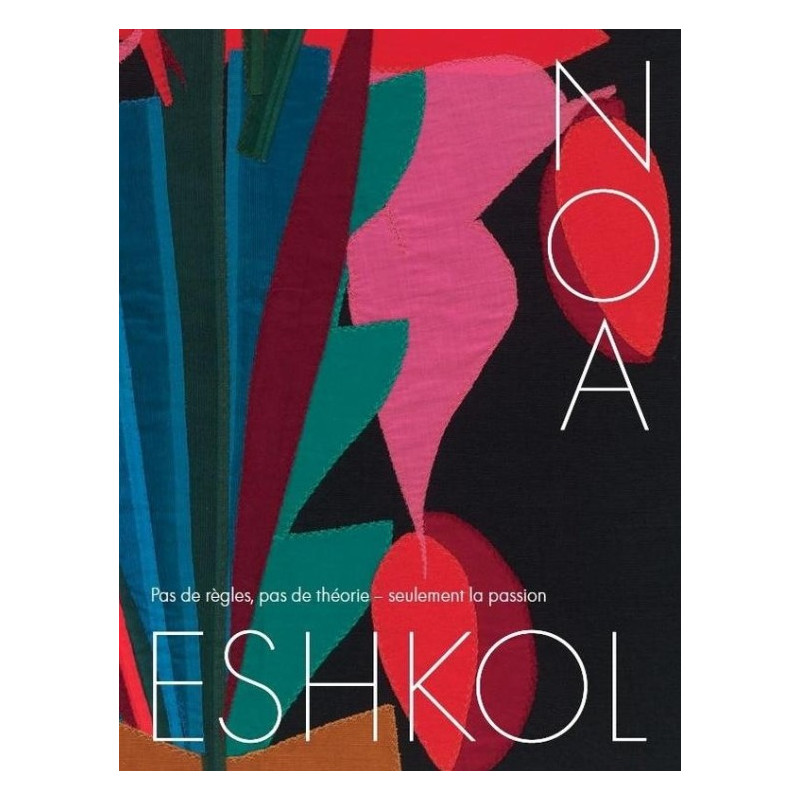
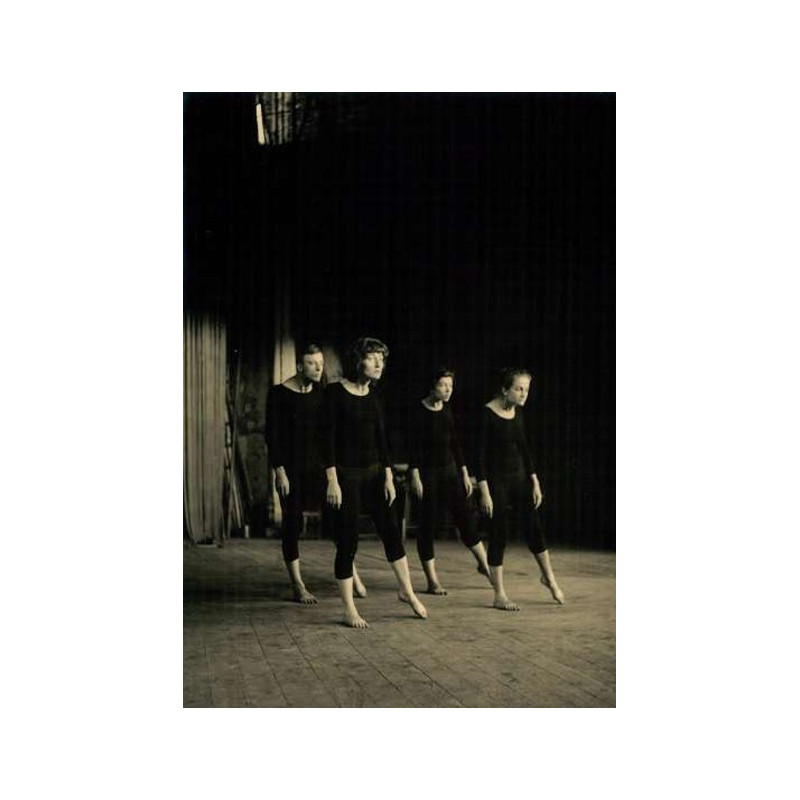
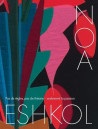
Noa Eshkol (1924-2007) - Dance and compositions
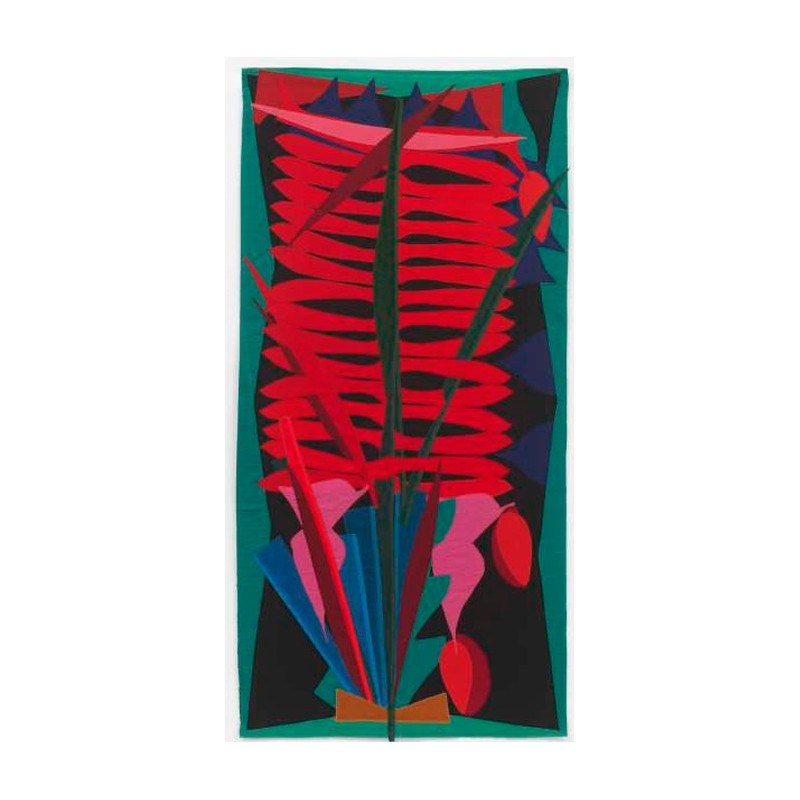
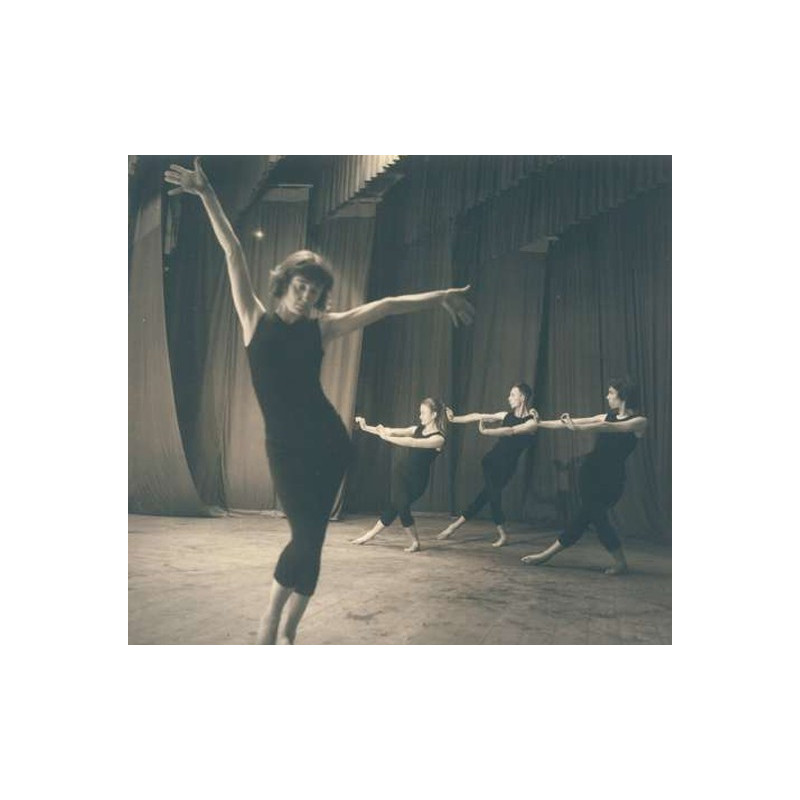
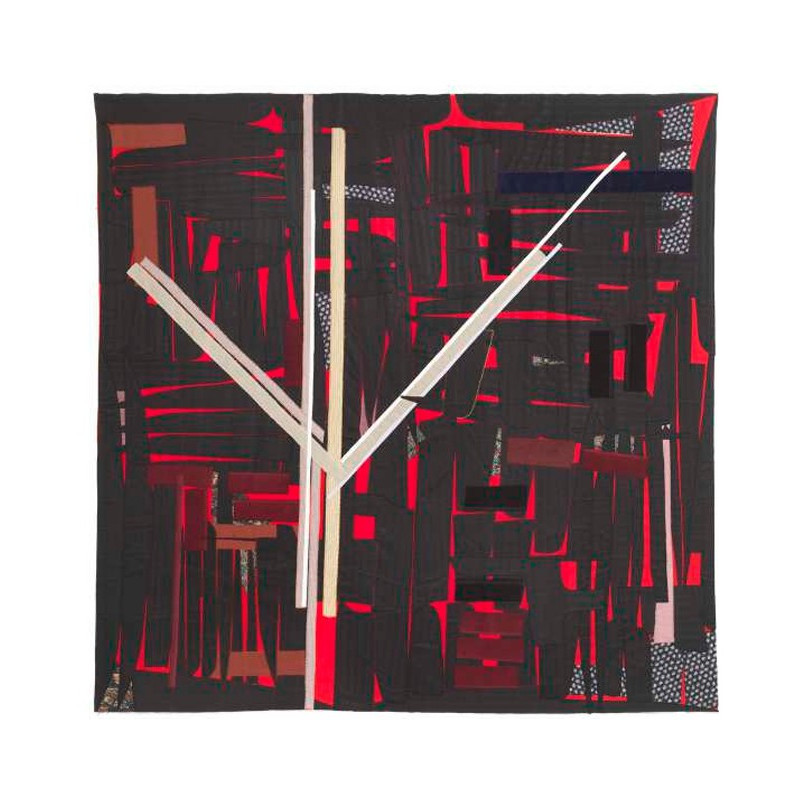
The Museum of Jewish Art and History is staging the first exhibition in France dedicated to the artist Noa Eshkol. The exhibition traces nearly half a century of her creative output, from the 1950s to the 2000s, showcasing both her Wall Carpets and her choreographic works through drawings, photographs and film footage.
Shipped within 4 to 8 days
| Model | 9782373722499 |
| Artist | Noa Eshkol |
| Author | Avraham Wachman, Pauline Chevalier, Pascale Samuel, Paul Salmona, Talia Amar, Lou Forster |
| Publisher | Dilecta / Musée d'art et d'histoire du Judaïsme |
| Format | Ouvrage broché |
| Number of pages | 200 |
| Language | Bilingue Français / English |
| Dimensions | 250 x 190 |
| Published | 2026 |
| Museum | MAHJ, Paris |
Exhibition catalogue Noa Eshkol (1924–2007). Dance and Compositions, presented at the Museum of Jewish Art and History, Paris (16 April – 30 August 2026).
The Museum of Jewish Art and History is staging the first exhibition in France dedicated to the artist Noa Eshkol. The exhibition traces nearly half a century of her creative output, from the 1950s to the 2000s, showcasing both her Wall Carpets and her choreographic works through drawings, photographs and film footage.
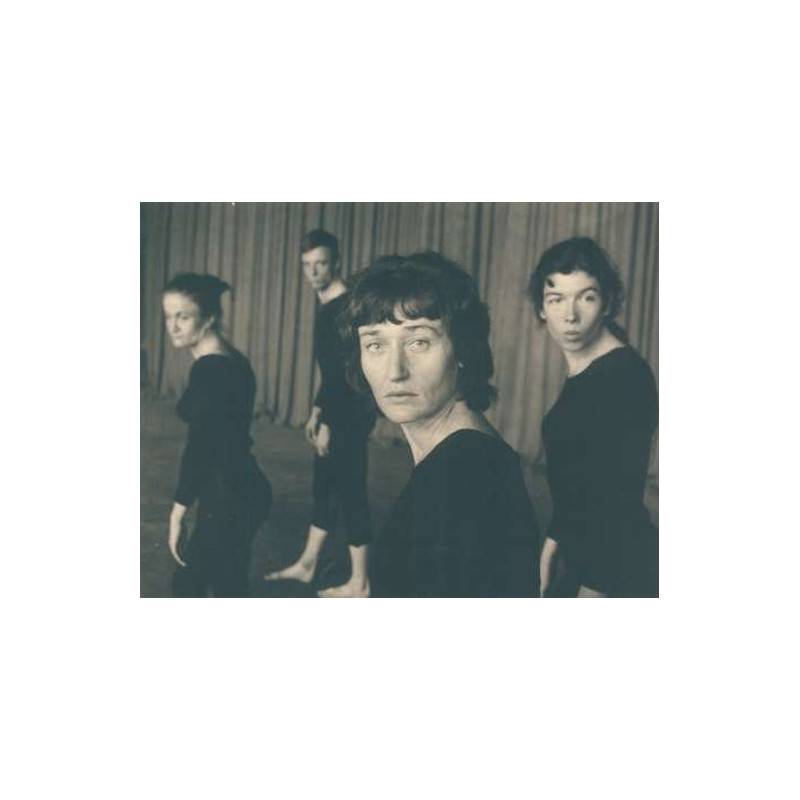
Noa Eshkol (1924–2007), born on the kibbutz Degania Bet, was a leading figure in modern dance in Israel. In the 1950s, she developed, together with Avraham Wachman, the revolutionary Eshkol-Wachman Movement Notation (EWMN) system. In 1951, she founded the Chamber Dance Quartet to perform her choreographies based on this notation. Her pieces, danced without music but to the sole rhythm of the metronome, are distinguished by their precision, their simplicity and the emphasis placed on the collective.
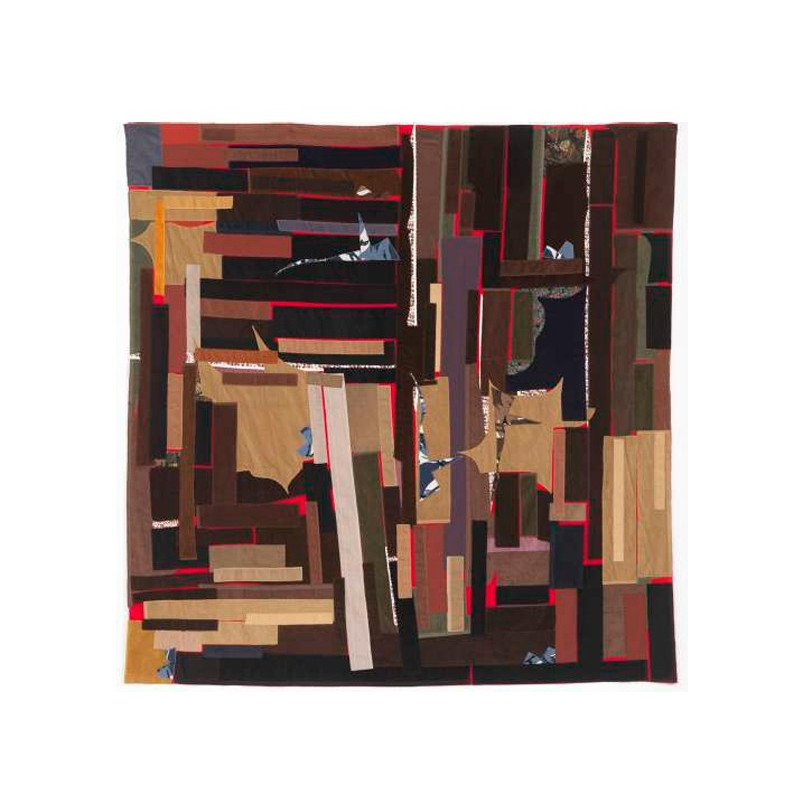
The Yom Kippur War in 1973 marked a decisive turning point in her artistic career. Eshkol then brought her choreographic practice to a close to turn, alongside her dancers, to the creation of the Wall Carpets, large textile pieces made from used fabrics and clothing. Without rules or theory, she produced a body of work comprising nearly two thousand pieces that blend abstraction, landscape and still life. These wall carpets, created over a period of nearly thirty years, establish her as one of the most prolific and innovative artists of the 20th century, now being rediscovered by a new generation of artists and collectors.
This exhibition offers an opportunity to shed light on a figure who was both a leading figure in dance and a pioneer of textile art, whose unique career highlights several key issues: the role of dance in the early decades of the State of Israel, and its connections with the European and American avant-garde. It also explores the history and implications of the system of movement notation. The exhibition will also highlight the impact of historical events on Noa Eshkol’s work.
Recently viewed items