No products
Product successfully added to your shopping cart
There are 0 items in your cart. There is 1 item in your cart.
Architecture
- New Art Books
- Exhibition catalogue
- Highlights
- Art Book Sale
- Museum's Shop & Gifts
- Bilingual art books and foreign editions
- Children's Books
- Art History
- Painting
- Architecture
- Sculpture
- Drawing & Engraving
- Photography
- Contemporary art
- Decorative Arts & Design
- Art Techniques
- Critics
- Entertainment art books
- Civilisations
- Partners Reviews
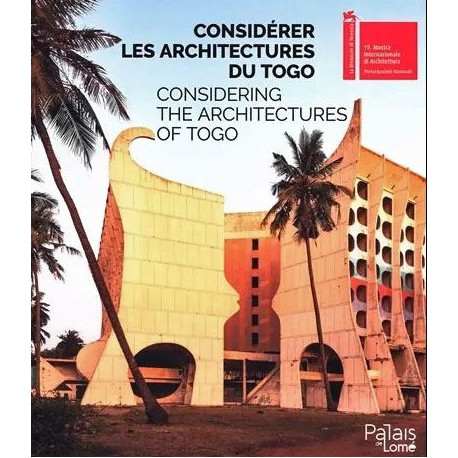
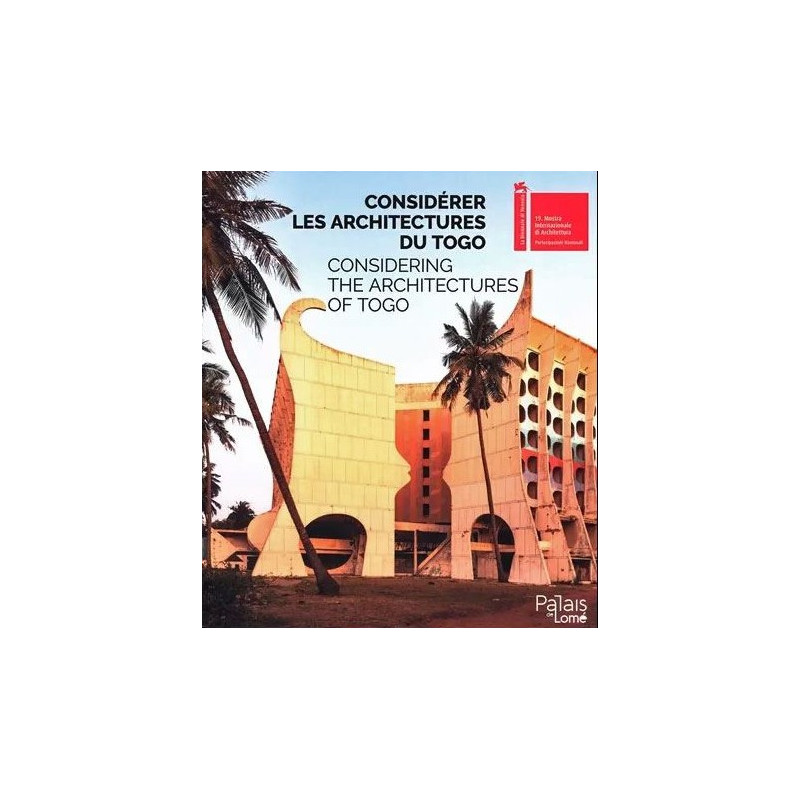
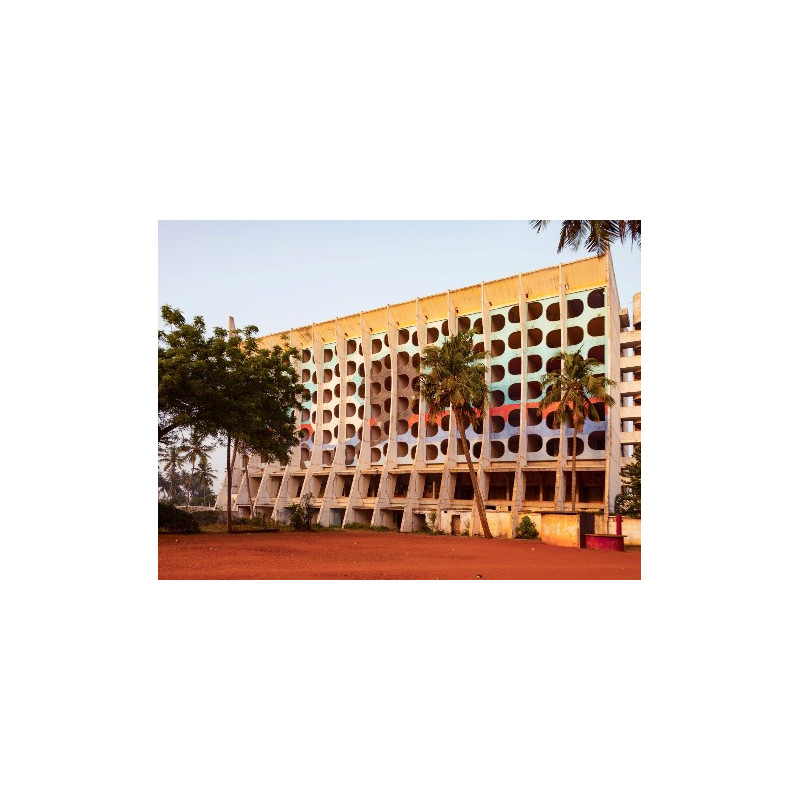
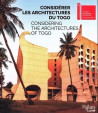
Considering the Architectures of Togo
The book explores architectural narratives in Togo since the end of the 19th century, with a focus on modern architecture. It was commissioned by the founding director of the Palais de Lomé, Sonia Lawson, for the 19th International Architecture Exhibition of the Venice Biennale.
Shipped within 4 to 8 days
| Model | 9782353404322 |
| Artist | Architecture |
| Author | Collectif |
| Publisher | Gourcuff Gradenigo |
| Format | Ouvrage broché |
| Number of pages | 184 |
| Language | Bilingue Français / English |
| Dimensions | 320 x 240 |
| Published | 2026 |
The book explores the country's architectural narratives since the end of the 19th century, with a focus on modern architecture. It was commissioned by the founding director of the Palais de Lomé, Sonia Lawson, for the 19th International Architecture Exhibition of the Venice Biennale.
This book is a valuable tool for understanding and promoting Togo's architecture, which is a subject of growing interest in the field of modern and contemporary architecture.
It is a valuable tool for understanding and promoting Togo's architecture, which is a subject of growing interest in the field of modern and contemporary architecture.
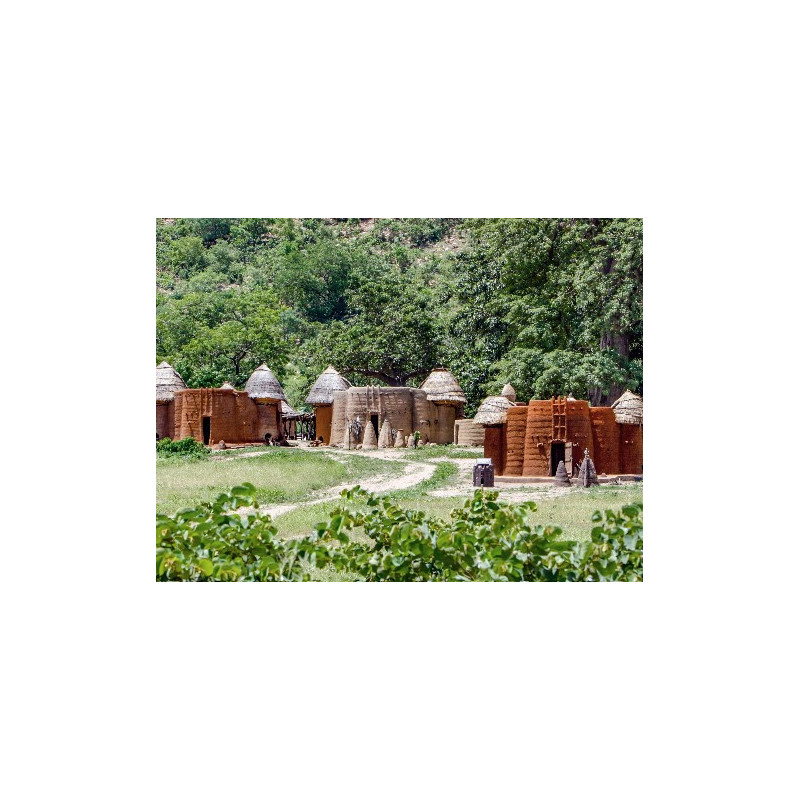
From the ingenious constructions of the Nôk caves, whose traditional building methods find their most emblematic example in the Tatas Tamberma of northern Togo, to the hybrid Afro-Brazilian architecture built from the 19th to the mid-20th century by freed slaves returning from Brazil, to the modern architecture that transformed Lomé after independence: the panorama is varied.
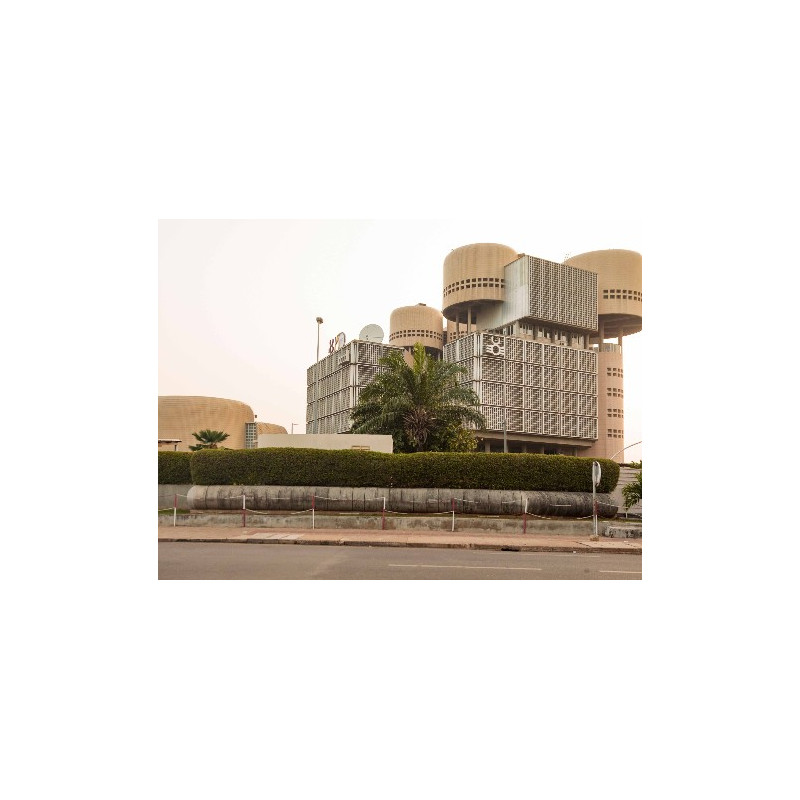
Today, a number of buildings from the second half of the 20th century are still in use, notably the Sarakawa Hotel, the Hedzranawoe market and the BOAD, ECOWAS, IBBT (formerly BTCI) and BIA banks.
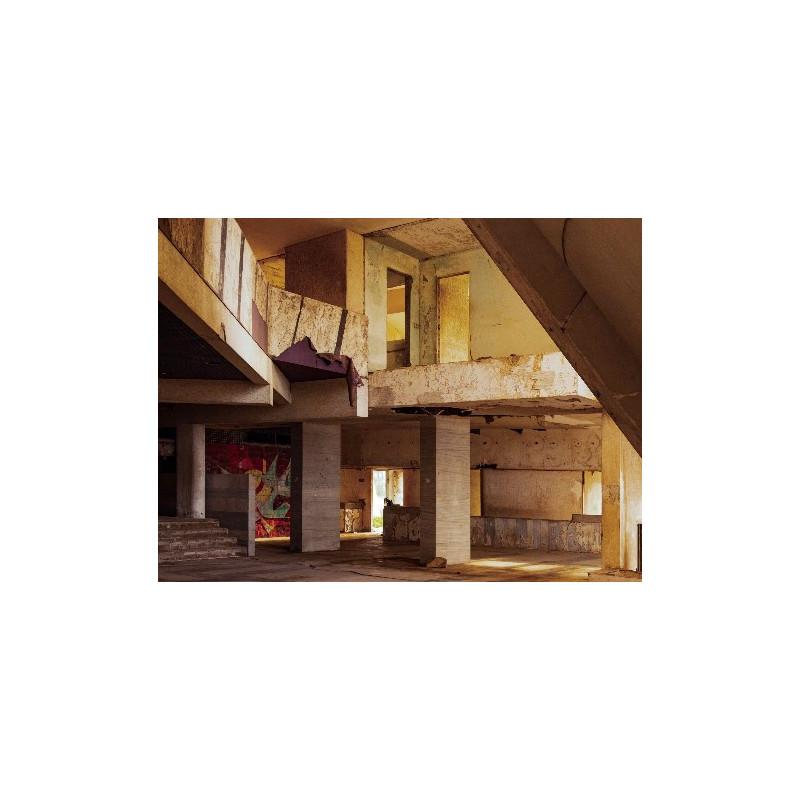
At the same time, several remarkable buildings are in poor condition, such as the Hôtel de la Paix and the Bourse du Travail, while others are undergoing renovation or have already been renovated, such as the Hôtel 2 Février and the Palais des Congrès.
Only an awareness of what already exists can lead to a meaningful dialogue about the possibilities for the future.
Recently viewed items