No products
Product successfully added to your shopping cart
There are 0 items in your cart. There is 1 item in your cart.
Contemporary art
- New Art Books
- Exhibition catalogue
- Highlights
- Art Book Sale
- Museum's Shop & Gifts
- Bilingual art books and foreign editions
- Children's Books
- Art History
- Painting
- Architecture
- Sculpture
- Drawing & Engraving
- Photography
- Contemporary art
- Decorative Arts & Design
- Art Techniques
- Critics
- Entertainment art books
- Civilisations
- Partners Reviews
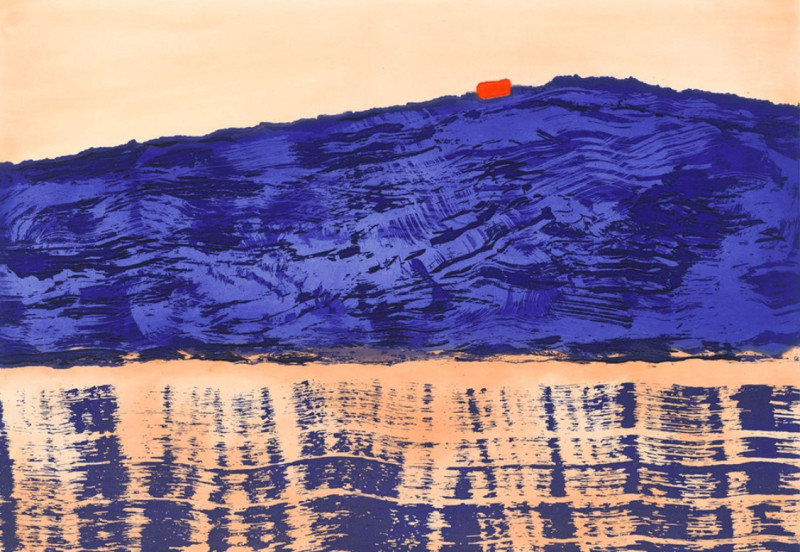
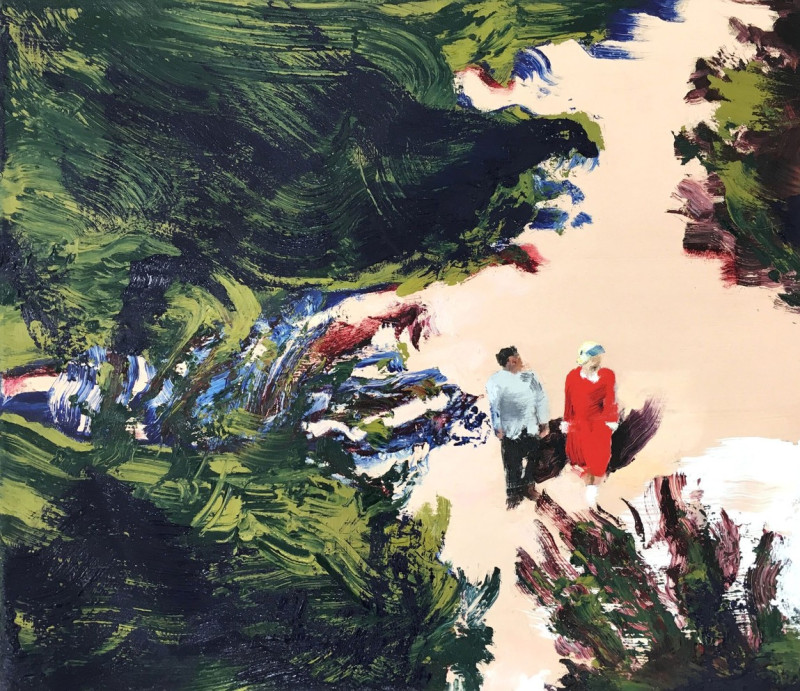
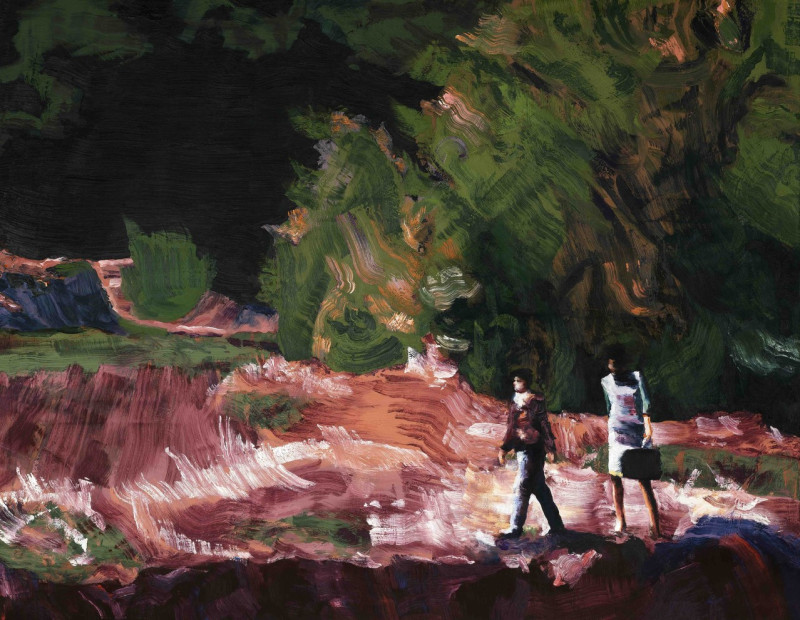
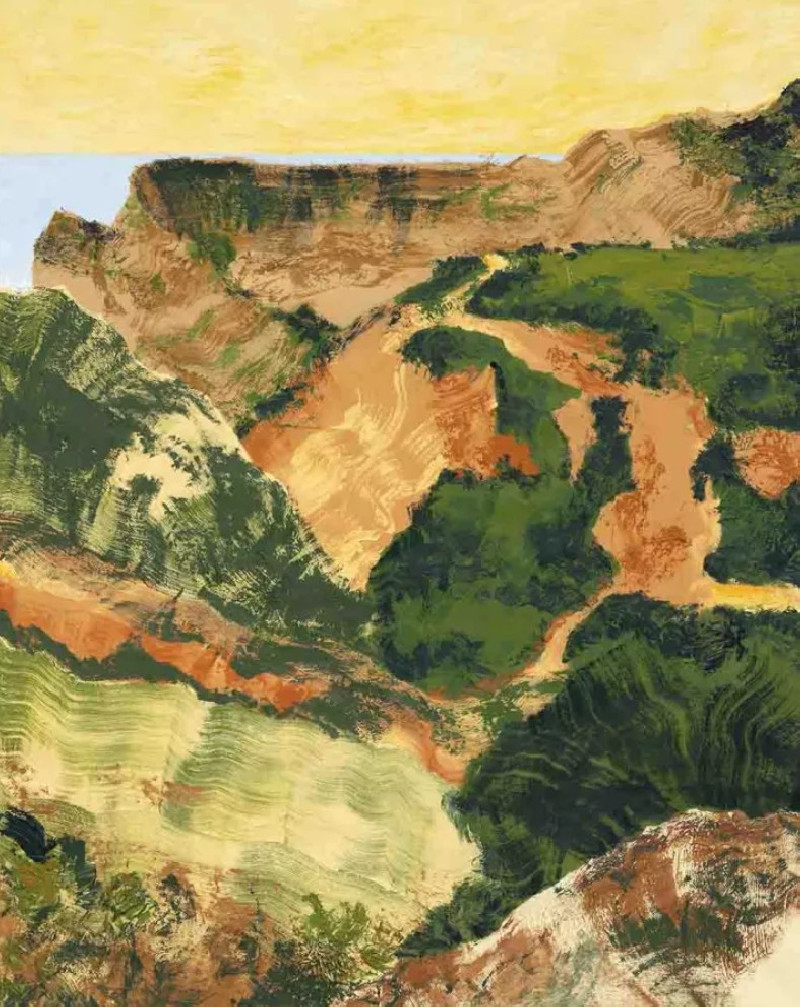
Marine Wallon - Paintings
A graduate of the École nationale supérieure des beaux-arts de Paris in 2009, Marine Wallon belongs to the renewal of contemporary painting, of which she is now one of the leading figures.
1 item in stock
| Model | 9782359064988 |
| Artist | Marine Wallon |
| Author | Guy Boyer, Didier Semin, Marianne Derrien |
| Publisher | Musée Estrine / Liénart |
| Format | Ouvrage relié |
| Number of pages | 144 |
| Language | Bilingue Français / English |
| Dimensions | 300 x 240 |
| Technique(s) | 100 illustrations |
| Published | 2026 |
| Museum | Musée Estrine, Saint-Rémy-de-Provence et le musée de l’Abbaye, Saint-Claude |
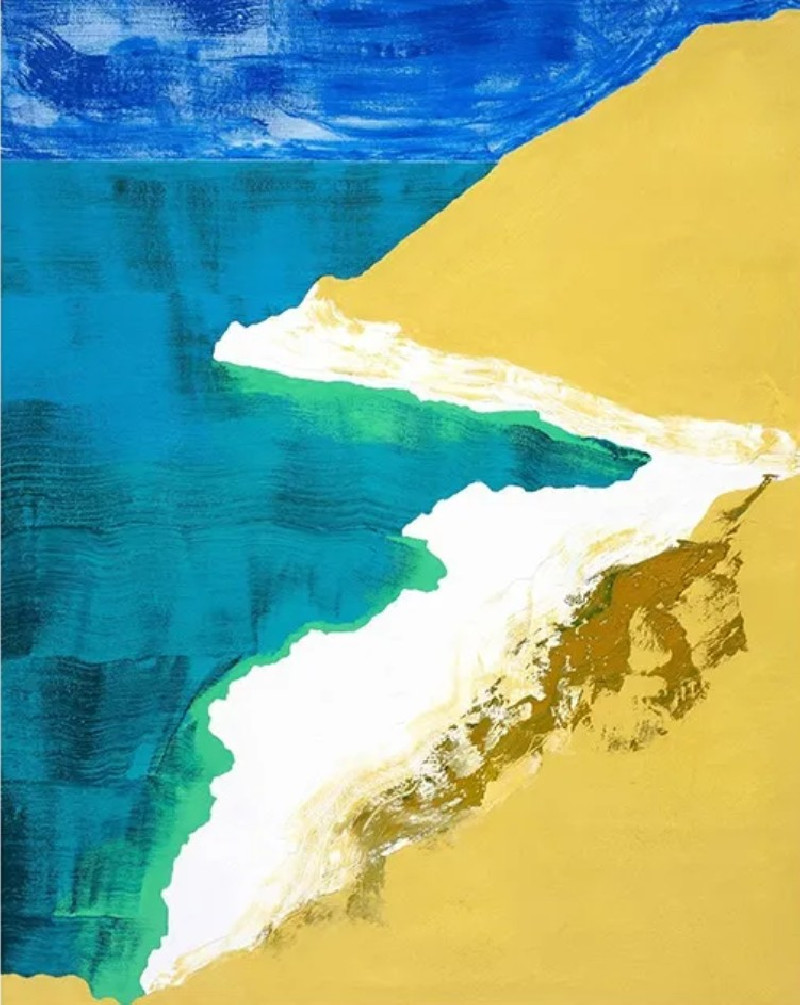
A graduate of the École nationale supérieure des beaux-arts de Paris in 2009, Marine Wallon belongs to the renewal of contemporary painting, of which she is now one of the leading figures. Since her first canvases in 2013, she has developed a singular distinctive body of work that questions the traditional codes of landscape painting while more broadly exploring the notion of place, conceived as a space of both individual and collective memory.
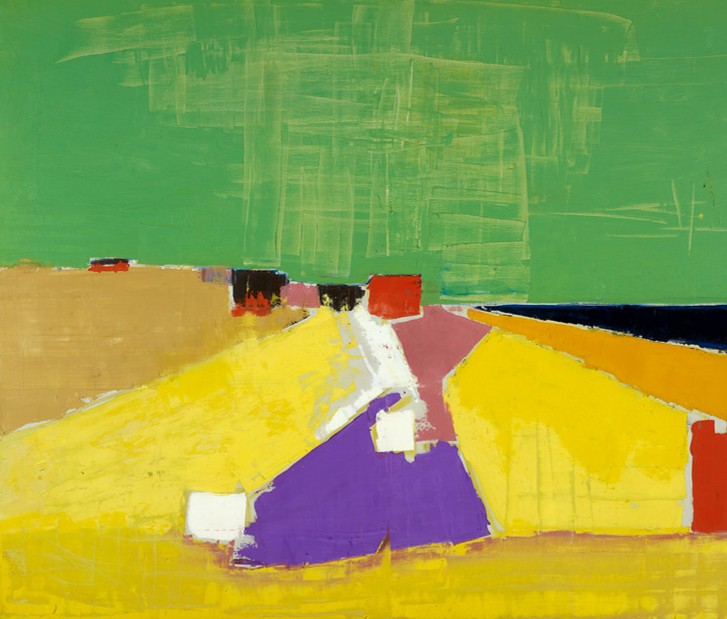
Inspired by screenshots drawn from forgotten documentary archives as well as notes taken from direct observation, her painting brings forth spaces of drifting, wandering, and passage. The multiplication of viewpoints creates open, almost labyrinthine spatialities in which the viewer’s gaze is invited to move, linger, and project itself toward a mental hinterland. The human or animal figure, often reduced to a discreet and anonymous presence, blends into vast fields of color in constant movement, oscillating between abstraction and figuration.
Through the simplification of forms and the use of large-scale brushes, the artist imbues the pictorial surface with a distinctive vibration, heightened by sustained chromatic intensity. Certain areas, smooth and rendered in flat planes of color, contrast with others that are thicker and worked using a variety of tools — wide brushes, scrapers, palette knives, cloths, or steel wool — suggesting the materiality of ground, rock, or even a wave.
Recently viewed items